When to take your itchy pet to the vet, and what to actually ask
The thresholds that mean book the appointment now, what to bring with you, and five questions that change the visit.
· 9 min read
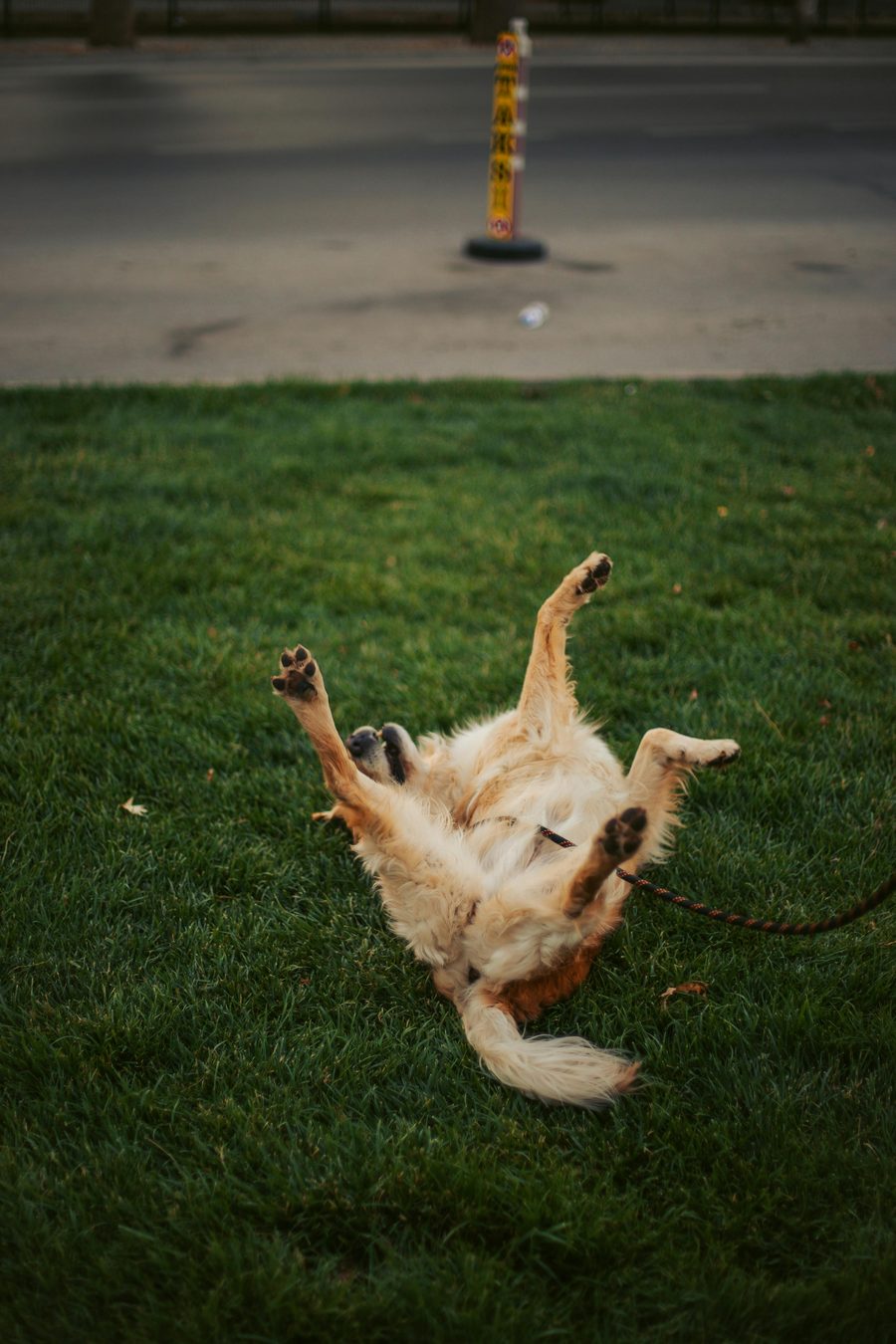
Most pet itching is a checklist problem. Read the food label. Change the floor cleaner. Wash the bed in fragrance-free detergent. Wait two weeks. The cases that don’t resolve at the checklist level are the ones that need a vet, and a particular kind of vet visit.
This is the threshold for booking, what to bring, and the questions that change the visit from “here’s a steroid script, come back in a month” to “here’s an actual investigation plan.”
When itching becomes a vet visit
The line between “work through it at home” and “book the vet” is not about how loudly your pet is itching. It’s about specific signs that the situation has moved past inflammation into infection or systemic illness.
Persistent itching for more than two weeks without these red flags is still a vet visit, just a planned one. Don’t let it run six months while you try one more food.
The notes to bring
This is the single biggest improvement you can make to a vet visit. A pet that arrives with structured notes gets a structured investigation. A pet that arrives with “she’s been itchy for a while, doctor” gets a generic prescription.
A 14-day symptom note. A simple notebook entry per day. Date, what was eaten, where they walked, any new household products, what you observed (paw licking count, ear flares, scratching, stool quality). Phone notes work fine. Photos of inflamed skin, paws, and ears, taken in good light, over the same period, are even better.
A full food list. Brand, variety, exact name on the bag. Include the bag photo if you can. Include every treat, chew, dental stick, pill pocket, and training reward. Include any home-cooked items and human food shared. “I think it’s a chicken food” is not useful; “Drools Adult Chicken and Egg, 10kg, fed twice daily, 150g per meal” is useful.
A household products list. Floor cleaner brand. Detergent and softener used on the pet’s bed. Any agarbatti, dhoop, plug-in fresheners, candles, perfumes, hair products used in the rooms your pet spends time in. Any recent changes (renovation, new furniture, new mattress, new cleaning routine).
A treat and chew list. This sounds redundant with the food list but it’s separate because it’s where elimination trials most often break. List every snack item, including the ones the in-laws give and the bites of your dinner that get shared. Honest accounting matters more than polite accounting.
Photos. Of the inflamed areas, taken under consistent lighting, over the 14 days. A vet can do a lot more with a series of photos than with a verbal description.
The five questions to ask
These are the questions that turn the visit into an investigation rather than a script.
1. “Have you ruled out food?”
Most itching consultations skip food because food is the slow, annoying answer and steroids are the fast one. Ask directly. If the vet hasn’t asked about your pet’s diet in detail and hasn’t suggested a food trial, food has not been ruled out. It has been ignored.
The follow-up: “If we were to do an elimination diet, what protein would you suggest given my pet’s history?”
2. “Can we do a skin scrape and a yeast culture today?”
A skin scrape is a 2-minute in-clinic procedure: a glass slide, a scalpel edge, a microscope. It identifies mites, mange, bacterial infection, and yeast. A yeast culture (or a tape impression for yeast) is similarly quick. These tests are inexpensive, immediately informative, and routinely skipped in favour of empirical antibiotic or steroid courses. Ask for them.
3. “If you prescribe steroids, what’s the off-ramp?”
Steroids work. They also create dependence patterns when used on repeat without investigation. If the plan is a steroid course, ask: how long, what dose, how do we taper, and what are we doing during the steroid course to address the underlying cause? A vet who says “we’ll see how it goes” is not running an investigation. A vet who says “10 days, tapering over the second week, and during those two weeks I want you to start an elimination diet on this protein” is.
4. “Is there a hypoallergenic or hydrolysed-protein diet you’d recommend, and would it be helpful here?”
This signals you’re open to a prescription diet and want a specific recommendation rather than a general one. The honest answer might be “let’s try a single-protein non-prescription food first and reserve the hydrolysed diet for if that fails”, which is also useful information. Either way, the question opens the conversation.
5. “When should we follow up, and what would change the plan?”
A follow-up date with clear criteria for what counts as success and what would trigger a change in approach. “Come back in two weeks if she’s not better” is a follow-up. “Send me photos of her paws at day 7 and day 14, and if there’s no improvement we’ll consider a referral to a dermatologist” is a plan.
Two ways a vet visit can go
Look for
- Vet asks about food, environment, and history in detail
- Skin scrape and yeast culture done in-clinic before any prescription
- Clear plan with timelines and what would trigger a referral
- Steroids, if used, with a defined taper and an underlying-cause plan
Avoid
- Visit ends in 8 minutes with a steroid shot and a vague 'come back'
- No skin scrape, no yeast check, just empirical antibiotics or steroids
- Same prescription on repeat across visits with no investigation
- No conversation about diet, environment, or referral options
GP vet vs dermatologist
A general-practice vet is the right first call for almost everything. They handle vaccinations, routine illness, acute injury, and the first round of allergy investigation. For chronic or treatment-resistant skin and allergy cases, a veterinary dermatologist is a real option in India.
Veterinary dermatologists have additional certification and run a fuller diagnostic toolkit: intradermal allergy testing, full serum panels with proper interpretation, biopsy when needed, and experience with the difficult chronic cases that frustrate general practice. They exist in Mumbai, Delhi, Bengaluru, Pune, Chennai, and a handful of other cities. Your GP vet can refer; you can also search the Indian Society of Veterinary Dermatology member directory.
A derm referral is worth considering when:
- You’ve done a clean 8-week elimination on a confirmed novel protein and seen no improvement.
- The symptoms recur every season despite full environmental controls.
- Multiple GP visits and prescriptions haven’t produced lasting improvement.
- The condition includes recurring skin infections or ear infections that keep returning after antibiotic courses.
What a useful first visit produces
By the end of a good first appointment, you should leave with:
A useful first vet visit, deliverables
- 1
A working differential
Two or three most likely causes ranked by the vet, not a single guess.
- 2
Diagnostic results
Skin scrape and yeast check done today, with the findings explained.
- 3
A treatment plan with a timeline
What you're doing for the next 2 to 4 weeks, what success looks like, what failure looks like.
- 4
A diet plan
Either a clear elimination protocol or a defensible reason to skip food testing for now.
- 5
A follow-up date
When to come back, what photos or notes to bring, and what would change the plan.
What to do this week
- Start a 14-day symptom note today, even if your vet visit isn’t booked yet.
- Photograph the inflamed areas in consistent light. Today, day 7, day 14.
- Write out the food, treat, household, and chew lists. Cross-check with whoever else feeds your pet.
- Book the appointment. Bring all of the above.
The pets who get to a clean diagnosis fastest in India are usually the ones whose owners walked into the visit organised. The vet’s job is the medicine. Your job is the data.
Read: Why is my dog itching, the four buckets · Take the 2-minute Allergy Check
This article is education, not diagnosis. If symptoms persist or worsen, please see your vet.
Frequently asked
When is itching an emergency? +
Itching itself rarely is. Broken skin with active bleeding, sudden severe swelling of the face or muzzle, difficulty breathing, vomiting with lethargy, or a fever along with the itching, those are same-day vet visits. Persistent two-week itching without those signs is a planned appointment, not an emergency.
Do I need a vet to start an elimination diet? +
Not strictly. A simple single-protein elimination using fresh fish or mutton can be run safely at home for 8 weeks for most healthy adult pets. A vet is useful if your pet has other conditions (kidney issues, pancreatitis history, diabetes), is very young or very old, or if you want a hydrolysed prescription diet.
Are steroids bad for itchy pets? +
Not bad, but not a long-term answer. Steroids (prednisolone, methylprednisolone) reduce inflammation effectively and can give a pet immediate relief. The problem is when they're prescribed on repeat without anyone addressing the underlying trigger. Steroids carry real side effects with prolonged use: increased thirst, weight gain, immune suppression, liver stress. Use them as a bridge while you investigate the cause, not as the destination.
What's a veterinary dermatologist and where do I find one? +
A vet who has done additional certification in dermatology and treats skin and allergy conditions exclusively. They run intradermal allergy testing, can interpret serum panels properly, and have deeper experience with chronic cases. Referral options exist in Mumbai, Delhi, Bengaluru, Pune, and Chennai. Your GP vet can refer, or you can search the Indian Society of Veterinary Dermatology directory.
Niko's story is what started ode. Read it →
Related reading
Dog paw licking: a complete guide to causes (food, environment, and behaviour)
Why dogs lick their paws, food triggers, household triggers, yeast, and the rare behavioural case. A 30-day checklist that covers 90% of cases.
9 min read
Why is your dog itching? The food question vets don't ask.
Why dogs itch, and why food is the most-missed cause in India. The two-week rule, the chicken question, and what to actually do this week.
10 min read
Recurring ear infections in dogs: when it's the food, when it's the environment, when it's something else
Why ear infections in dogs almost always have an underlying allergy cause. The food angle, the environmental angle, and the recurrence playbook.
9 min read