Puppy food allergies: what's different about young dogs in India
Puppies can develop food allergies during growth, but the playbook is different from adult dogs. Strict protocols can leave nutritional gaps that matter more at this age.
· 9 min read
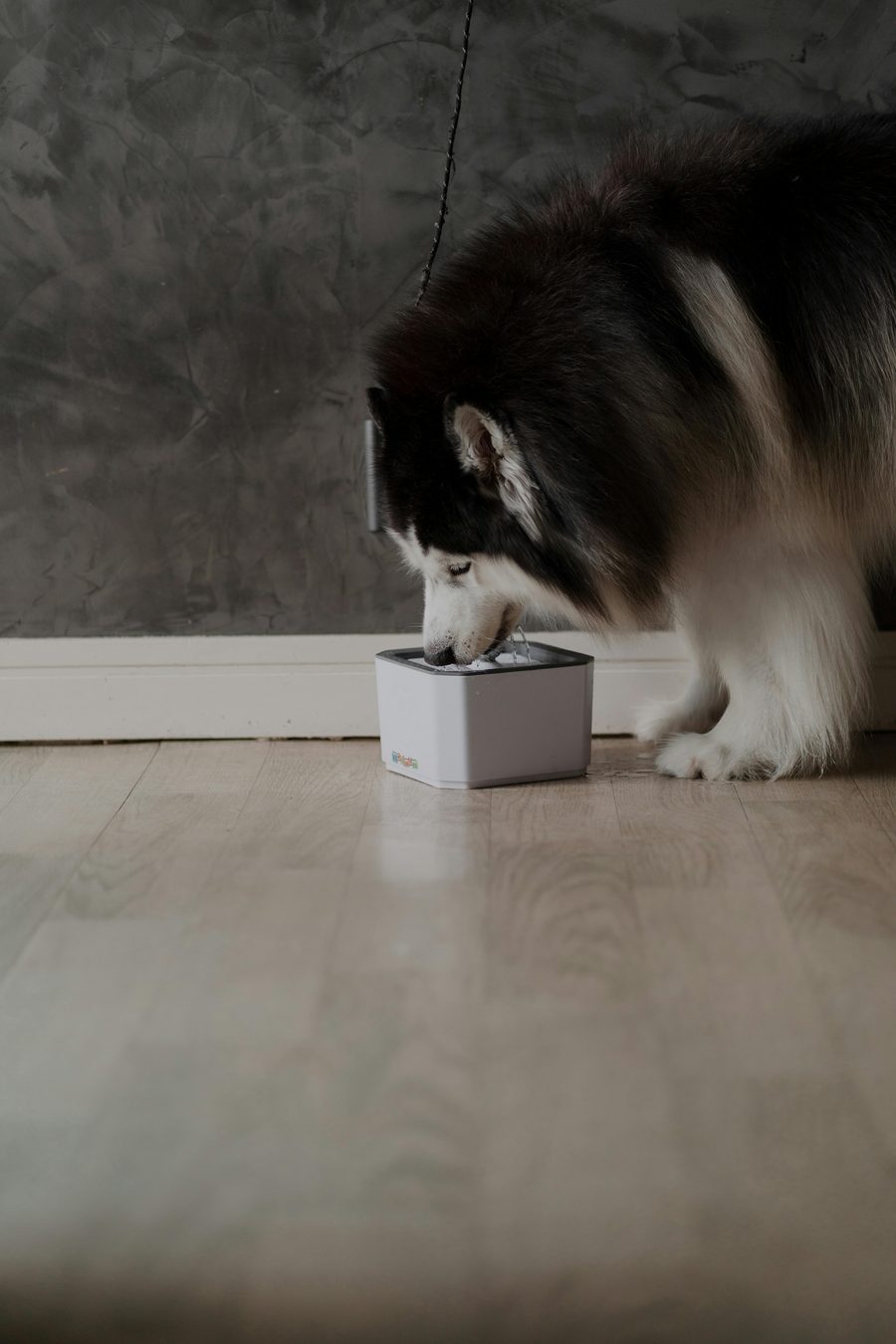
A puppy with red paws and watery eyes is hard to watch. The instinct is to act fast: switch the food, try a supplement, get a vet visit, anything. But puppies aren’t just small adult dogs, and the allergy playbook needs adjustment.
Here’s what’s different about young dogs, and how to investigate food allergies without creating new problems.
Why food allergies in puppies are less common (but not rare)
A food allergy is the immune system deciding a specific protein is the enemy. That decision needs repeated exposure to develop. The longer a dog has eaten a protein, the more chances the immune system has to make the call.
By that logic, food allergies should be rare in dogs under one year old. And mostly they are. But:
- Indian premium puppy food is dominated by chicken. A 6-month-old puppy on a chicken kibble has already eaten chicken at every meal for 4 months. That’s enough exposure for sensitisation to begin.
- Many puppies in India are weaned onto soft chicken-and-rice mixtures by breeders or first-time owners. So by 8 weeks, they’ve already had hundreds of chicken meals.
- Repeated antibiotic courses (common for puppies with persistent loose stools or skin issues) can shift gut flora in ways that make allergic sensitisation more likely.
So food allergies do show up in puppies, especially around the 6-12 month mark when accumulated exposure crosses a threshold. The presentation looks the same as in adult dogs: paw licking, ear infections, hot spots, watery eyes, intermittent loose stools.
6-12 months
the window when food allergy symptoms most often first appear in Indian puppies
What to rule out before assuming food
In a puppy, three things should be checked first because they’re more common at that age than food allergy:
- Parasites. Worms, giardia, and intestinal protozoa cause loose stools, dull coats, and itching that can look just like an allergy. Most vets will check the stool routinely; if it hasn’t been done in the last 2 months, do it.
- Flea allergy. A single flea bite can keep an allergic puppy itchy for weeks. Confirm flea prevention is current. Look at the base of the tail and behind the ears for flea dirt.
- Environmental triggers. Puppies are inquisitive and floor-level. Phenyl-based cleaners, agarbatti, candles, and freshly-fragranced detergent on bedding are all common Indian-home triggers that don’t need any exposure history to react to.
If all three of those are clean and the symptoms persist, then food is the lead.
The chicken problem, specifically for puppies
In India, the puppy food shelf looks roughly like this:
- Pedigree Puppy: chicken-based.
- Royal Canin Puppy lines: most are chicken-based.
- Drools Puppy: chicken-based.
- Farmina Puppy: lamb, chicken, and fish versions exist.
- Acana Puppy: multiple proteins, depending on line.
- Hill’s Science Diet Puppy: chicken-based.
If your puppy has been on any of the first three since weaning, chicken exposure is your baseline. That’s not a problem in itself: most dogs do fine on chicken, but it’s the variable to question first when symptoms appear.
The elimination diet, modified for puppies
For an adult dog, the standard elimination diet is: one new protein, one carb, eight weeks strict, plain. For a puppy, the same approach has two complications:
- Growth requires balanced nutrition. A boiled-fish-and-rice diet that works fine for an 8-week adult trial creates real risk for a puppy because of calcium, fatty acid, and amino acid needs during growth.
- Variety helps gut tolerance. Some research suggests early-life dietary variety reduces later allergy risk. Locking a puppy into a single protein for weeks runs counter to this for non-allergic puppies, though the calculus changes if allergy is confirmed.
The cleaner play, for a puppy with suspected food allergy:
Adult dog protocol
- 8 weeks on home-cooked single protein and carb
- Plain boiled fish or mutton, no oil
- Reintroduce old protein at week 8 to confirm
- Calcium gap doesn’t matter over 8 weeks
Puppy protocol
- 8 weeks on a commercial single-protein puppy food (Acana, Farmina N&D)
- Or home-cooked WITH a vet-formulated balancer added
- Reintroduce at week 8 with vet guidance
- Balanced minerals matter from day one
The commercial single-protein puppy foods are usually the simpler answer. They’re already formulated for growth. You skip the formulation question entirely.
What to do this week
If your puppy is itching, follow this sequence:
- Confirm parasites and fleas are ruled out. A stool test is ₹300-500 at most Indian vet clinics.
- Audit the home for fragrance and floor cleaner triggers. Switch to pet-safe alternatives for two weeks, watch.
- Read the bag of food they’re on. If chicken is in the first three ingredients (or hiding as natural flavour, animal fat, or meat meal), plan the protein switch.
- Pick a commercial single-protein puppy food. Lamb or fish-based. Confirm no chicken anywhere on the label.
- Transition over 7-10 days (puppies need slower transitions than adult dogs to avoid gut upset).
- Track for 8 weeks. Skin, ears, paws, stool, energy.
What happens at one year
A dog who showed food allergy symptoms as a puppy doesn’t usually “grow out of it”. The immune system’s protein memory is mostly permanent. But:
- The accumulated inflammation can fully clear if the trigger is removed early.
- Coat, skin, and ear health rebuild faster in young dogs than in older ones.
- A puppy raised on a clean diet from the first allergic flare grows into an adult with normal-looking skin and ears, even if they technically still can’t eat the trigger protein.
The argument for catching this early isn’t that the allergy goes away. It’s that you save the dog years of low-grade inflammation, and you save yourself years of slow vet visits.
Find your protein. Stick to the plan. The puppy stage is short. The lifetime habit you build during it is what matters.
This article is education, not diagnosis. If symptoms persist or worsen, please see your vet.
Frequently asked
Can a 4-month-old puppy be allergic to food? +
Yes, but it's less common than in dogs over a year old. Food allergies usually need repeated exposure to develop, so an under-1 puppy with itching is more often dealing with environmental triggers, parasites, or a sensitive stomach than a true protein allergy. Still worth ruling out food, but flea prevention and the home audit are the higher-base-rate places to start.
Is grain-free puppy food better for allergic puppies? +
Usually not. Most grain-free puppy food in India still has chicken as the first ingredient, which is the protein actually causing most allergic reactions. Grain itself is rarely the trigger. Grain-free is a marketing choice, not a medical one.
Can I keep my puppy on home-cooked food long-term? +
Not without proper formulation. Puppies need precise calcium-to-phosphorus ratios, complete amino acid profiles, and enough fat for brain and coat development. A boiled-fish-and-rice diet that works fine for an 8-week trial will create bone and growth problems if you stay on it for months. If home-cooked is your direction, work with a vet or animal nutritionist to formulate a balanced recipe.
What single-protein puppy foods exist in India? +
The selection is narrower than for adult dogs. Farmina N&D Lamb Puppy, Acana Puppy formulas, and a few imported limited-ingredient lines are the most accessible. Read the bag every time, formulations change. If chicken is anywhere on the label, even in 'natural flavour', it's not single-protein for an elimination trial.
Will my puppy outgrow this? +
Some pets do desensitise to a protein over time, especially if exposure is removed and reintroduced carefully. But a confirmed food allergy is more often a lifelong management issue. The good news is that finding the trigger early means decades of cleaner skin, ears, and gut for the dog.
Niko's story is what started ode. Read it →
Related reading
Chicken allergy in dogs: signs, why it's everywhere in India, and what to try
Symptoms of chicken allergy in dogs, why chicken dominates Indian pet food, what 'grain-free' really means, and the 6–8 week elimination check.
9 min read

The elimination diet for dogs: an 8-week, India-friendly walkthrough
How to do an elimination diet for a dog with suspected food allergy in India, choosing a protein, the no-exceptions rule, week-by-week expectations, and the reintroduction phase.
12 min read
Hidden chicken: the ingredients that mean chicken without saying chicken
Natural flavour, animal fat, meat meal, poultry by-product: the label words that hide chicken in Indian pet food, treats, and prescription diets.
8 min read