Monsoon allergies in Indian pets: humidity, mould, and what to change for 4 months a year
Most allergic flares in Indian pets cluster between June and September. A simple seasonal protocol prevents most of them.
· 9 min read
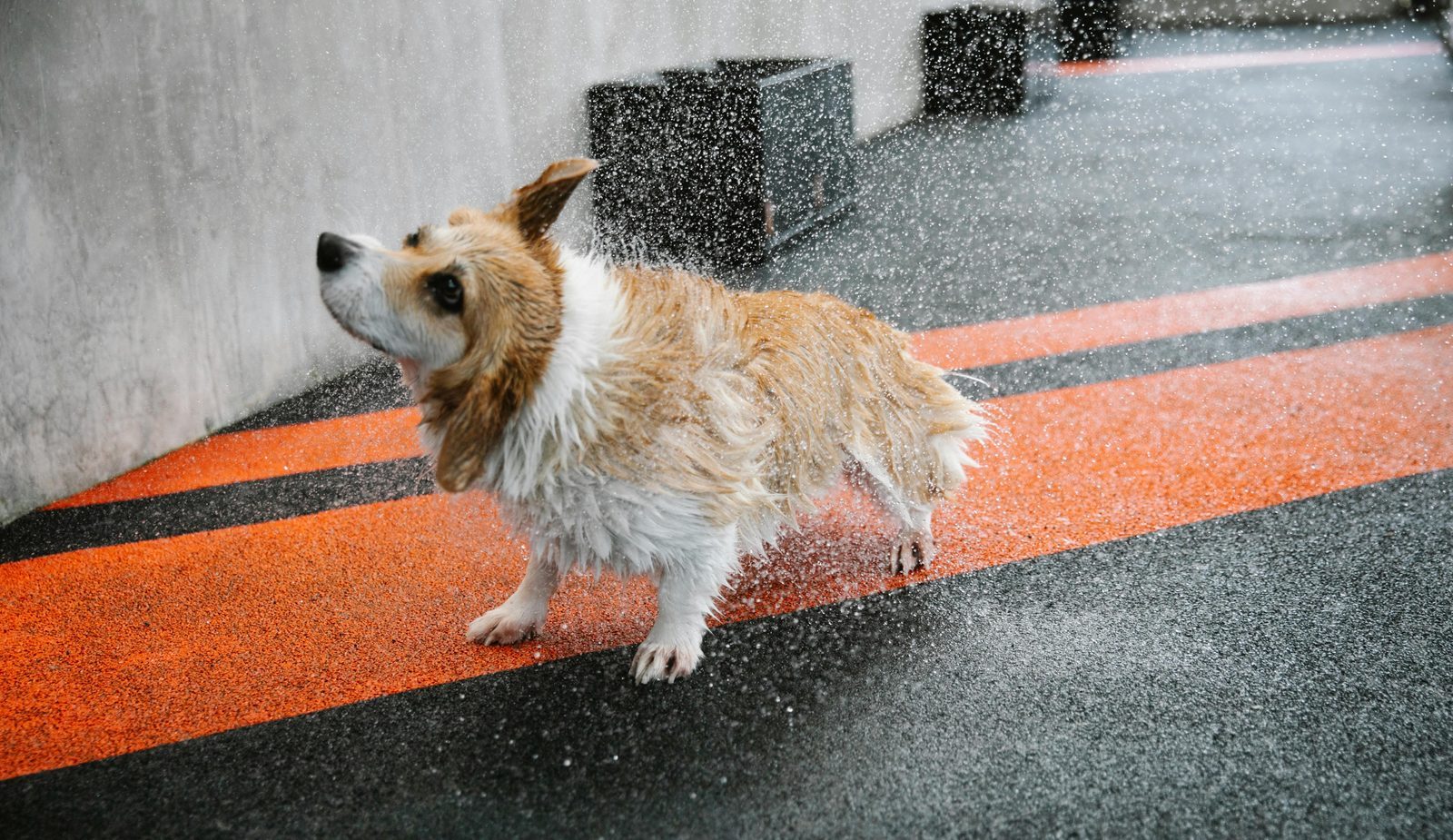
If your pet itches more in the monsoon, you are not imagining it. The pattern is consistent across cities: between roughly mid-June and the end of September, allergic dogs get itchier, ear infections spike, paws darken and stain, and the wet-dog smell becomes a daily background note rather than a once-a-week event.
This is what’s actually happening, why the monsoon is uniquely challenging for allergic pets, and a seasonal protocol that prevents most of the worst flares. None of it is dramatic. All of it works better than waiting it out.
Why the monsoon is the high-risk season
Three factors stack at the same time.
Humidity feeds yeast and bacteria. Both already live in low numbers on every dog and cat. Both thrive in moisture. When relative humidity sits above 70% for weeks at a time, yeast in the ears and on the paws multiplies faster than the immune system can keep up with. The “musty” or “bread-like” smell on a dog’s coat in the rains is yeast, biologically.
Mould spores rise indoors. Damp walls, damp curtains, the corner of the kitchen behind the fridge, these are quiet mould factories during a four-month wet season. Mould spore counts indoors can rise 5–10x in monsoon vs. dry-season baselines. Pets breathe these in continuously.
5-10x
indoor mould spore counts in Indian monsoon, vs. dry-season baselines. Pets breathe this in continuously.
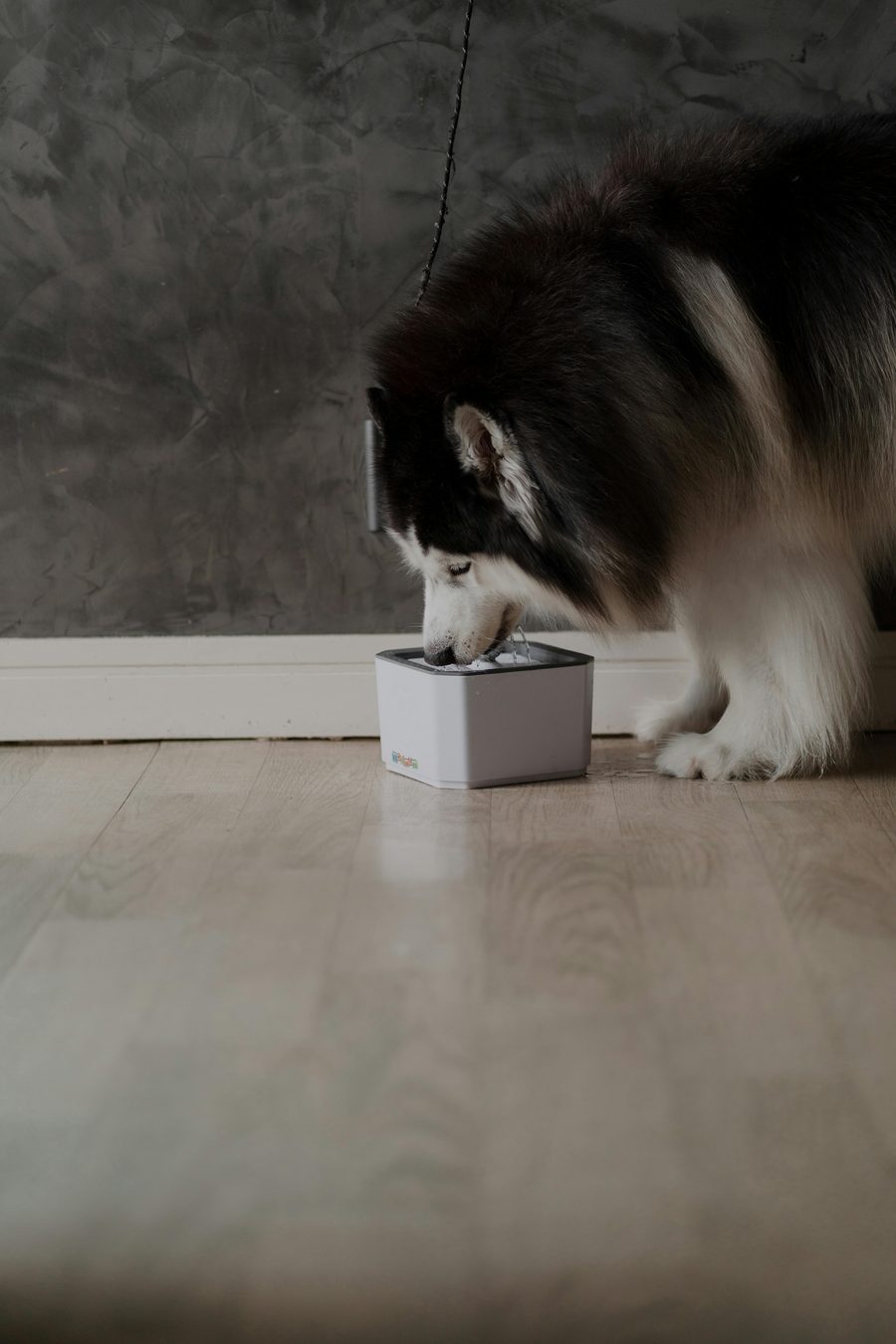
Dust mite populations peak. Dust mites need humidity to survive. In dry weather, a pet bed is a relatively low-mite environment. In monsoon, the same bed becomes a much higher one, and dust mite faecal proteins are a major allergen.
Add to this the basic mechanical problem, paws stay wet for longer, ears stay damp after walks, fur takes longer to dry, soft surfaces in the house don’t air out, and the dog or cat is simply sitting in a higher-load environment than for the rest of the year.
Yeast vs. bacteria vs. mould: what’s actually causing what
In a typical monsoon flare:
Yeast
The most common culprit on paws, ears, skin folds, and the underside of the belly. The smell is sweet, musty, or bread-like. The discharge from yeasty ears is brown or coffee-coloured.
Bacteria
Show up secondarily — bacterial overgrowth on already-inflamed skin, and bacterial ear infections (often alongside yeast). Bacterial discharge is yellow, green, or foul-smelling.
Mould-driven allergy
Typically shows up as inhalational signs — sneezing, watery eyes, cough — alongside the skin signs. It's harder to identify by symptom alone; the giveaway is the seasonal pattern combined with sensitivity to damp rooms.
Most dogs in a monsoon flare have a mix of all three. The vet’s job is to identify which is currently driving the visible problem (the swab tells them this); the pet parent’s job is to manage the conditions so the recurrence is less likely.
The “wet dog smell” is a symptom, not a quirk
The smell is real. It is also an early warning. A dog who smells faintly bready in the monsoon, even between baths, is showing you the start of a yeast bloom on the coat. Catch this early, drying after every walk, more frequent paw checks, a vet visit if it gets worse, and you can avoid the full flare.
A wet dog smell in February that doesn’t resolve with a bath is a different signal entirely. That’s a sign the yeast or bacteria has overgrown enough to need treatment.
The four monsoon-specific symptoms to watch for
Beyond the general allergy signs, these are the four symptoms that show up disproportionately in the monsoon and are worth catching early:
Recurring ear flare in the same ear
Especially in floppy-eared and hairy-canal breeds. The ear stays wet after baths and walks; the canal can't dry; yeast or bacteria moves in. Often returns within weeks of a previous treatment if no preventative routine is in place.
Hot spots on the back, hindquarters, or behind the ears
Sudden, raw, weeping patches that look like the dog has been licking or chewing them open in the last 24 hours. Hot spots flare in humid weather and can go from a mild patch to an angry sore in hours.
Paws that stay damp and stain orange-brown
The orange-brown is porphyrin from saliva — your dog has been licking enough that fur is staining. Damp paws plus saliva creates the conditions yeast loves. Once the staining is set, drying alone won't undo it; the underlying licking is the work.
Pyoderma: small bacterial pustules on the belly
Shows up as little raised spots that can look like teenage acne, often on the thinly-furred belly skin. Worse in humidity. Treatable, but often a sign that the skin barrier is overwhelmed.
If your pet has had any of these in previous monsoons, pre-empt them this year. Don’t wait for the flare, start the protocol before the rain does.
The seasonal protocol
This is the four-month routine. None of it is hard. The whole point is that consistency is what matters; small drops every day, not heroic intervention every two weeks.
Drying
- Towel-dry every pet after every walk in the rain. Pay attention to paws and the underside of the body.
- Use a microfibre towel or absorbent cloth. They lift water faster than terry cotton.
- Don’t blow-dry to a “fluffy” finish in the monsoon. Lukewarm air through to the skin level is enough; over-drying is hard on the coat over four months.
Ventilation and dehumidification
- One dehumidifier in the pet’s main sleeping room is the highest-impact single change you can make, especially in coastal cities. Aim for 50–55% relative humidity in that room.
- Run ceiling fans during the day, even when humans aren’t in the room, air movement helps keep surfaces from staying damp.
- Air the pet’s bed weekly. A bed that lives on a tiled floor in monsoon stays damp underneath; lift it, dry it, rotate it.
Paw routine
- Wipe paws every entry into the house with a damp cloth followed by a dry one, even on dry days, since the floors stay wet for longer in humidity.
- Check between the toes weekly. Look for redness, dampness, brown staining, and any small cuts.
- If your dog has chronic paw issues, ask your vet about a routine drying paw soak. Don’t pick one off the internet, the wrong solution can make it worse.
Ear routine
- Dry the outside of the ear after every wet event. Don’t push anything into the canal.
- For dogs with chronic ear issues, use the routine ear cleaner your vet has prescribed, on the schedule they’ve prescribed. The pre-emptive use is the point.
- Don’t wait for the smell. If you wait for the smell, you’re already in a flare.
Food adjustments
You don’t usually need to change the food because of monsoon. You do need to remove anything that adds load:
- Cut back on chicken-based treats if your dog has a chicken sensitivity. The seasonal load is enough; the food doesn’t need to add to it.
- Skip the rich monsoon human-food temptations, the leftover korma, the Onam sadya extras, the fried snacks. Allergic pets handle dietary stress less well in monsoon than the rest of the year.
Bedding and soft furnishings
- Hot-wash the pet bed weekly. 60°C if possible. This kills dust mites and dries thoroughly between uses.
- Reduce the number of soft toys and blankets in the pet’s main area for the monsoon. Less surface area, less mite habitat.
- Run the dehumidifier in any room with carpets or rugs the pet uses.
Why monsoon symptoms can look like a food allergy (and how to tell)
The overlap is real. Both can produce itching, ear infections, paw licking, and flare patterns that come and go.
The difference is timing. A purely environmental monsoon flare clears within four to six weeks of the rains ending. A food-driven sensitivity keeps going year-round, flares may worsen in monsoon (because of the added environmental load) but the baseline never returns to normal once the rains end.
If your pet has been flaring monsoon and dry season alike, food is on the table. If your pet’s flares strictly correlate with the rains, symptomatic in July, fine in February, it’s environmental.
A useful test: keep a simple journal across one full monsoon and one full dry season. Note itching frequency, ear flares, paw issues. By month 14, the pattern usually announces itself.
When monsoon symptoms warrant a vet visit
Most monsoon flares are manageable with the protocol above. See a vet promptly if:
- Your pet has a hot spot, especially one that is weeping, smelly, or expanding rapidly.
- You see persistent ear discharge, head shaking, or a tilted head.
- The skin is broken, oozing, or bleeding.
- Your pet is otherwise unwell, off food, lethargic, drinking more than usual.
- A flare lasts beyond a week of consistent management.
Read: When to take your itchy pet to the vet, and what to actually ask
What to do this week (or, if you’re reading this in March, before June)
- Buy or borrow a dehumidifier for the room your pet sleeps in.
- Stock up on microfibre towels, three or four near the door.
- If your vet has prescribed a routine ear cleaner, refill it.
- Wash all pet bedding hot now, before the rain starts.
- Move incense, candles, and plug-ins out of the pet’s main rooms, wet weather worsens fragrance load.
Take the 2-minute Allergy Check, the questions cover seasonal patterns alongside food and home environment.
The monsoon is four months. The protocol is small. The flares prevented are real.
This is one of those areas where prevention is genuinely cheap and treatment is genuinely expensive. The dehumidifier, the towels, the routine, the cost-of-living and cost-of-time numbers are small. The cost of the third ear infection of the season, in vet bills and in a miserable pet, is not.
This article is education, not diagnosis. If symptoms persist or worsen, please see your vet.
Frequently asked
Why does my dog itch more in the monsoon? +
Three reasons running together: humidity feeds the yeast and bacteria that already live on the skin; mould spores rise indoors as damp surfaces grow; and dust mite populations peak in humid weather. The combined load means even pets who are mostly fine the rest of the year can flare for four months.
Is dehumidifying the room enough? +
It helps significantly for dust mite allergy and for yeast on the skin, but it's not the whole picture. Drying paws after walks and proper ventilation matter just as much. A dehumidifier in the pet's main sleeping space is the highest-impact single intervention.
Should I change my dog's food during the monsoon? +
If your dog has an underlying food sensitivity, the monsoon stacks environmental load on top of it, so symptoms can look worse without the food itself changing. Don't switch the food because of the season; address the seasonal load. If you've never tested for food sensitivity, the off-season is a better time to run an elimination.
How often should I bathe my pet in the monsoon? +
Less is usually more. Frequent bathing strips the skin's natural oils and can make a flare worse. For most allergy-prone dogs, every 2–3 weeks with a vet-recommended gentle shampoo is fine. The bigger lever is drying after every walk, not bathing more.
What about prophylactic antifungal treatment? +
This is a vet's call, and is sometimes appropriate for dogs with confirmed yearly yeast flares. Don't initiate it yourself. Routine drying, ventilation, and ear hygiene prevent most cases without needing it.
Niko's story is what started ode. Read it →
Related reading
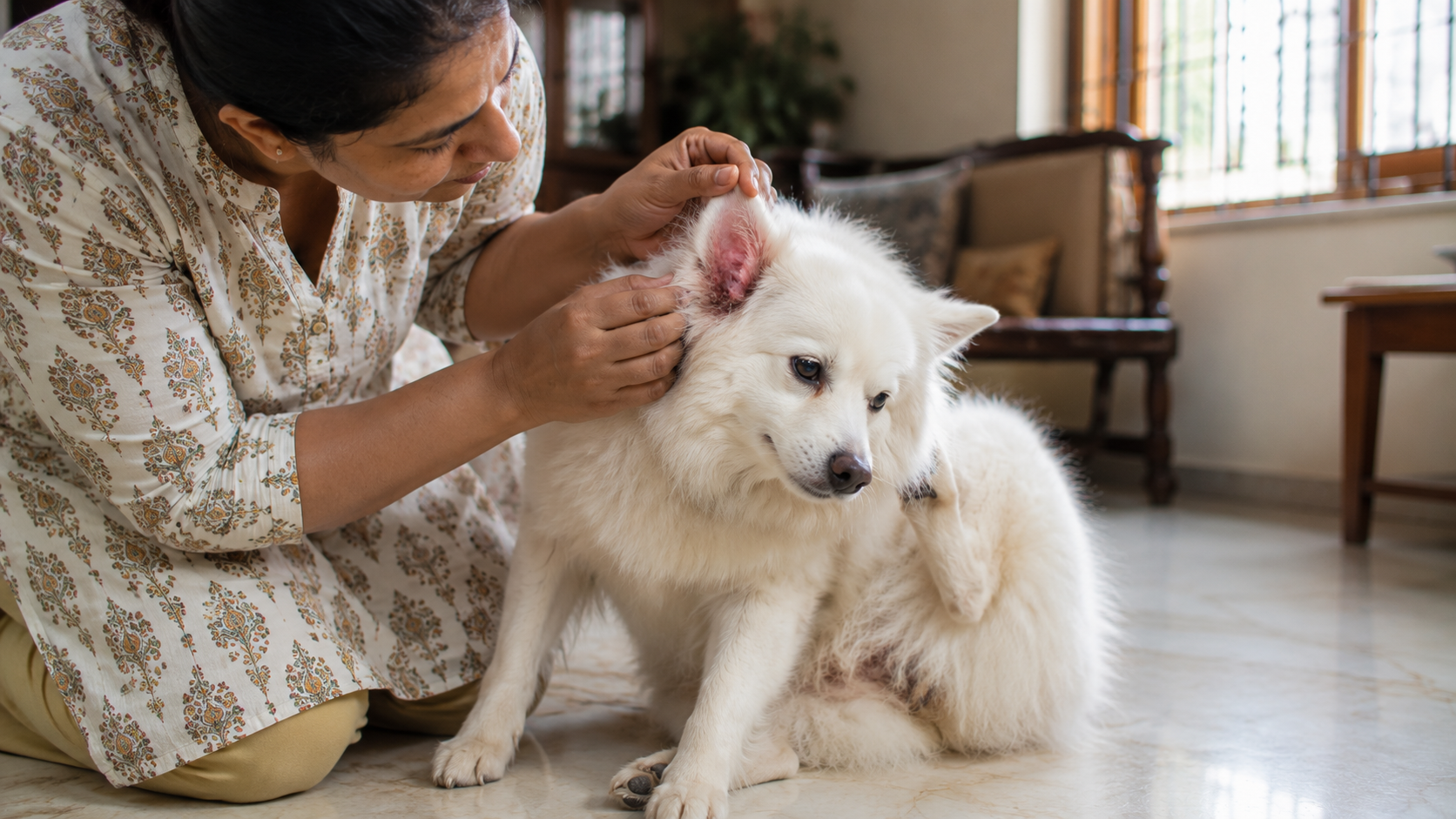
Recurring ear infections in dogs: when it's the food, when it's the environment, when it's something else
Why ear infections in dogs almost always have an underlying allergy cause. The food angle, the environmental angle, and the recurrence playbook.
9 min read
Dust mites and your pet: where they hide, what they do, what to change
Why dust mites matter for allergy-prone pets, where they live, why Indian humidity makes them worse, and the four interventions that actually help.
8 min read
When to take your itchy pet to the vet, and what to actually ask
When itching crosses into a vet visit, what notes to bring, and the five questions that make the difference between a steroid script and a real plan.
9 min read