Is phenyl safe for pets? What's in your floor cleaner, and what to use instead
Most Indian floor cleaners contain phenol, pine oil, or strong fragrance. Pets walk on it, lie on it, and lick it off.
· 9 min read
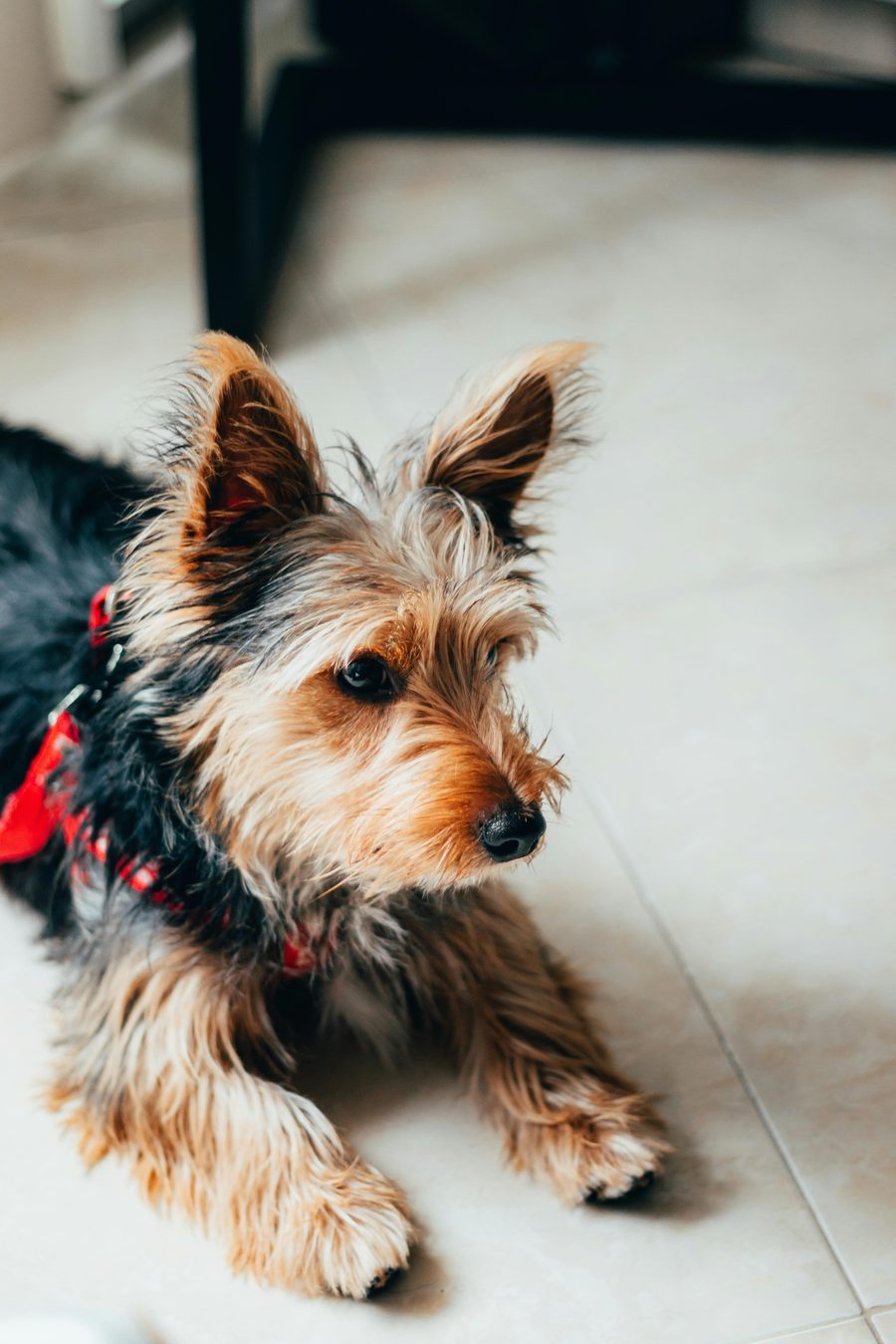
In most Indian homes, the floor gets cleaned daily. In most Indian homes, the dog or cat spends most of its day on the floor. The two practices meet on the same surface, and the cleaner is doing more than removing dirt.
This is what’s actually in the most common Indian floor cleaners, why pets get more exposure than humans, the cat-specific warning, and what a safer cleaning routine looks like, without compromising on a clean home.
What’s in Indian floor cleaners
Three broad ingredient families dominate the shelf.
Phenols. Phenyl, the local brand-agnostic name for phenol-based cleaners, is the cheapest and most common disinfectant in the country. Phenol and its cousins (cresol, ortho-phenylphenol) kill bacteria and fungi by disrupting cell membranes. They are effective. They are also strong skin irritants and respiratory irritants in their concentrated form, and they leave residue on a freshly mopped floor.
Pine oil. Pine oil cleaners use compounds chemically related to phenols (phenolic terpenes). They smell distinctive and are common in mid-priced household cleaners. The same caveats apply, disinfectant power and residue.
Quaternary ammonium compounds (“quats”). Benzalkonium chloride is the main active in Lizol and similar branded cleaners. Different chemistry from phenyl, but still an irritant on wet surfaces and at high concentrations.
Sitting on top of all of these is the fragrance load, synthetic perfumes that mask the chemistry and add their own irritation.
Why pets get extra exposure
A human cleaning the floor gets a small amount of cleaner on their shoes and a brief lungful of fumes. The cleaner dries, the human leaves the room, the next interaction is hours later.
A pet’s interaction is different on every dimension.
Paws. Paw pads are skin. They are in continuous contact with the floor for most of the day. Wet paws pick up cleaner residue and carry it. Dry paws walking on a freshly mopped floor pick up residue at the moment of contact. Either way, the pads absorb chemicals through skin.
Lying down. Most dogs and cats lie on the floor part of every day. Belly skin, armpit skin, the inside of the ears, all touch the floor.
Licking. A dog who has walked on a freshly mopped floor will, sooner or later, lick their paws. A cat will groom its paws and belly several times a day. Whatever was on the floor is now in the gut.
Breathing. Pets are smaller than humans and breathe faster, they take in more air per kilogram of body weight. The fumes from a strong cleaner are concentrated near the floor, exactly where their nose is.
The cumulative dose, over a daily cleaning routine, is meaningfully higher than any human in the home receives.
The cat warning
Cats are not small dogs. Their liver biochemistry is genuinely different.
Most mammals, humans, dogs, process phenolic compounds through a liver enzyme called glucuronyl transferase. Cats produce very little of this enzyme. When phenolic compounds enter a cat’s bloodstream, they hang around longer and at higher concentrations than they would in a dog or a human.
In severe exposures (a cat lapping up undiluted phenyl, for example, or living in a heavily mopped space with no ventilation), this can cause acute liver damage, neurological signs, and in extreme cases death. In milder exposures (most household use of phenyl-based cleaners), the more common picture is chronic skin and respiratory irritation, itching, sneezing, watery eyes, paws that look red between the toes.
If you have a cat, the simplest path is to switch off phenol-based cleaners entirely. The simplest cleaners, diluted dish soap, white vinegar, or a cat-safe specialty product, do almost everything you need on a normal day.
Symptoms in pets that point at cleaning products
Cleaning-product irritation in pets often shows up as:
- Red, inflamed skin between the toes and on the underside of the paws.
- Persistent paw licking, especially after the floor has been mopped.
- Watery eyes or sneezing in the hours after cleaning.
- Coughing in dogs with sensitive airways (small breeds especially).
- A general “this is worse on cleaning days” pattern that’s hard to pin to anything else.
Cats may additionally show grooming-related symptoms, fur thinning on the belly or paws, pink saliva staining on white fur from chronic licking, and sometimes vomiting after grooming if they’ve been licking off cleaner residue.
The pattern that distinguishes cleaning-product symptoms from food allergy: cleaning symptoms tend to flare immediately after wet mopping and ease in the hours after. Food allergy symptoms tend to be more constant.
A safer cleaning routine (categories, not brands)
This is the move-the-needle list. We’re not naming brands, brands change. The properties don’t.
Use plain water for routine clean-ups. Most days, your floor doesn’t need a disinfectant. A microfibre mop with warm water removes more dirt than people realise. Save the disinfectant for actual mess.
When you need cleaner, look for fragrance-free, plant-based formulations. Surfactants derived from coconut or sugar (decyl glucoside, coco-glucoside) are mild and effective. Citric acid and acetic acid (vinegar) handle most grime.
For real disinfection (sick pet, raw meat spill), use diluted bleach with strict ventilation. Sodium hypochlorite is harsh but doesn’t leave the kind of long-term residue that phenols do, it breaks down to salt and water. Use it correctly: 1:30 dilution, ventilate, rinse with clean water, let dry fully before pets re-enter the room.
Switch off pine-oil cleaners. They smell strong because they are strong.
Drop fragranced aerosol “fresheners” entirely. These do not clean. They add fragrance load.
The floor cleaner shelf
Look for
- Plant-based surfactants (decyl glucoside, coco-glucoside)
- Diluted white vinegar (1:4 with water) for daily clean
- Diluted bleach (1:30) only for genuine disinfection
- 'Fragrance-free' or 'unscented' on the label
Avoid
- Phenol, cresol, ortho-phenylphenol
- Pine oil cleaners
- High concentrations of benzalkonium chloride
- Strong synthetic fragrance and aerosol 'fresheners'
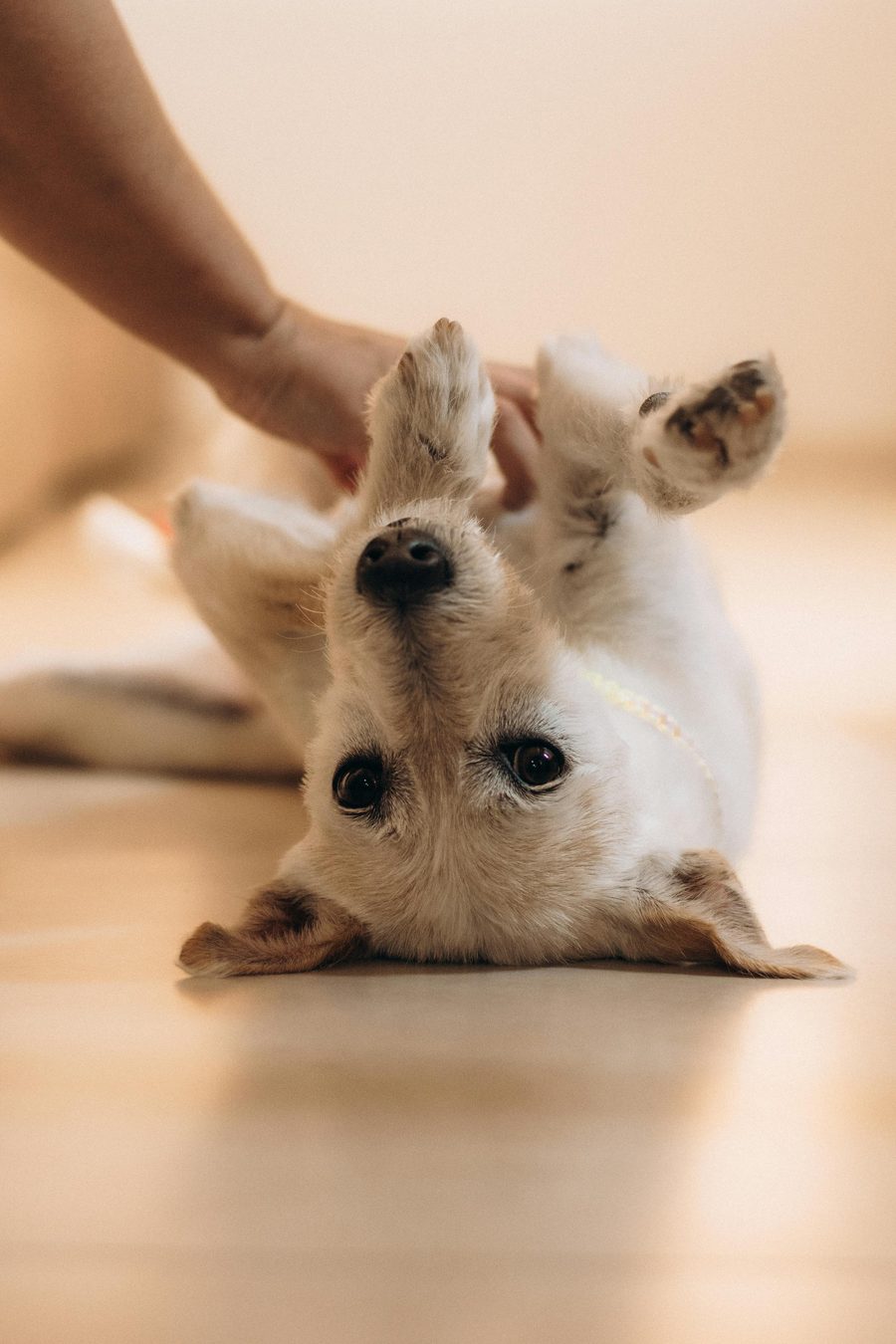
The transition: how to switch without losing real cleaning power
The objection most people have to switching off phenyl is that it cleans well. That’s fair, phenyl is a workhorse. The transition that holds up:
Step 1. Pick one room, usually the dog’s or cat’s main room, and switch only that room’s cleaner for two weeks. Watch the pet.
Step 2. If symptoms in that room are improving, expand the switch to the rest of the house.
Step 3. Keep one bottle of a stronger cleaner in a cupboard, sealed, for genuine disinfection situations (post-illness, post-spill). You don’t need it daily.
Step 4. Re-evaluate at the end of one month. If your floors are cleaner and your pet is more comfortable, you’ve solved a real problem.
Fast wins this week
- Ventilate. Open windows when you mop. Dry the floor before letting pets back on it.
- Wipe paws after every wet mop. A damp cloth removes most residue.
- Don’t store cleaning bottles where pets can reach them. Concentrated cleaner is the dangerous version.
- Stop letting wet floors stay wet. A floor that takes thirty minutes to dry is exposing your pet for thirty minutes. Use less water; dry it down.
When to consider this seriously
If your pet is licking paws, has red skin between the toes, or has had recurring inflamed skin or eye symptoms, the floor cleaner is one of the first variables to test, alongside food. It is one of the cheapest changes to make and one of the easiest to reverse if it doesn’t help.
Take the 2-minute Allergy Check, it asks about cleaning products alongside food.
If your pet is on the floor twelve hours a day, the floor matters.
The household disinfectant question is bigger than allergies, there are good reasons to use less and milder, even for pets without symptoms. For an itchy or paw-licking pet, the case is straightforward. Switch the cleaner, ventilate the room, dry the floor, watch what happens.
Read: Fragrance allergies in pets · Read: Dog paw licking causes
This article is education, not diagnosis. If symptoms persist or worsen, please see your vet.
Frequently asked
Can phenyl kill cats? +
Concentrated phenol-based products are genuinely dangerous for cats. Cats lack the liver enzyme (glucuronyl transferase) that mammals normally use to clear phenolic compounds. In serious exposure cases, this can cause liver damage or worse. Most household cleaning use does not reach that threshold, but cats should be kept away during and after wet mopping with phenyl-based products. If you have a cat, switching cleaners is the safest answer.
Is Lizol safe for dogs? +
Lizol's main active ingredient is benzalkonium chloride, a quat, different chemistry from phenyl, but still an irritant on freshly mopped surfaces. The fragrance is the bigger issue for many sensitive dogs. Use it diluted as directed, give floors time to dry fully before letting your dog walk on them, and ventilate. If your dog is a paw licker, consider switching.
What about disinfecting after a sick pet? +
When real disinfection is needed (after vomit, diarrhoea, or a known infectious illness), follow your vet's guidance for the specific situation. For routine cleaning, you don't need a hospital-grade disinfectant. Most homes overuse disinfectant in normal weeks.
Is vinegar safe to clean with around pets? +
Diluted white vinegar (1:4 with water) is broadly safe for pets and does a reasonable job on day-to-day grime. It doesn't disinfect at hospital strength but is fine for routine cleaning. The smell dissipates quickly, which is the point.
What should I look for on a label? +
Avoid: phenol, cresol, pine oil, benzalkonium chloride at high concentrations, and strong synthetic fragrances. Look for: plant-based surfactants, mild acids (citric, acetic), and 'fragrance-free' or 'unscented.' Names of safe brands change; the ingredient questions don't.
Niko's story is what started ode. Read it →
Related reading
Fragrance allergies in pets: candles, incense, plug-ins, perfumes
Why fragranced candles, agarbatti, plug-ins, and perfumes irritate pets, and why tea tree, citrus, eucalyptus, and peppermint oils are dangerous to cats.
8 min read
Dog paw licking: a complete guide to causes (food, environment, and behaviour)
Why dogs lick their paws, food triggers, household triggers, yeast, and the rare behavioural case. A 30-day checklist that covers 90% of cases.
9 min read
When to take your itchy pet to the vet, and what to actually ask
When itching crosses into a vet visit, what notes to bring, and the five questions that make the difference between a steroid script and a real plan.
9 min read