The shampoo and grooming reset
What to remove, what to try, and how often to bathe a pet whose skin keeps flaring.
· 6 min read
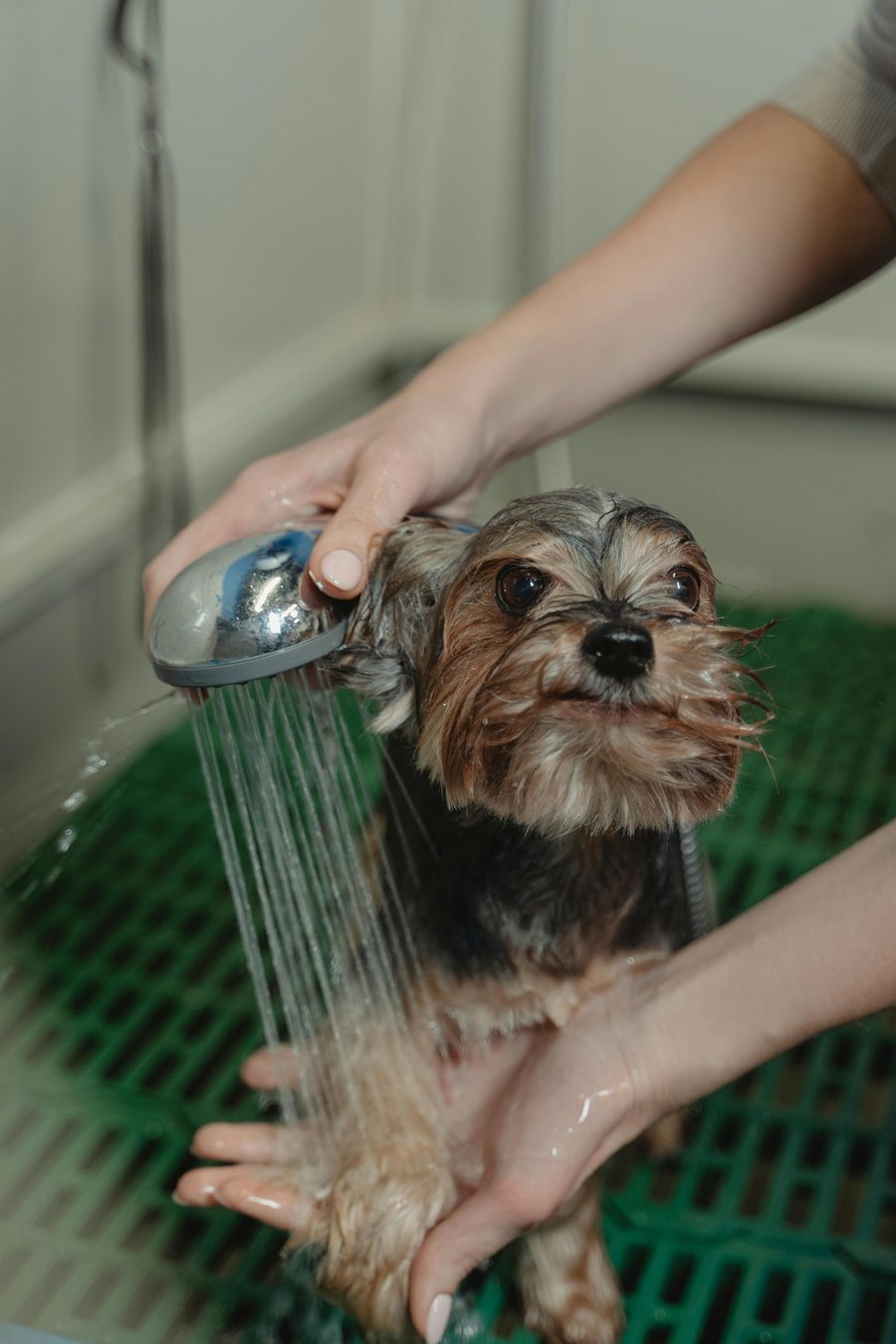
The shampoo question matters less than people think, and more than they often realise. Most allergy-prone pets are over-bathed in over-fragranced product. The reset is small and quick.
What to swap
The shampoo shelf
Look for
- Mild, fragrance-free pet shampoo with simple ingredients
- Oat-based products (read the rest of the label)
- Medicated shampoo only when prescribed, on the vet's schedule
- Plain water rinses for routine 'cleaning' moments
Avoid
- Anything strongly fragranced (smell-from-across-the-room test)
- Conditioners and detangling sprays with synthetic fragrance
- Daily pet 'wipes' with strong fragrance
- Human shampoo on a pet, ever
How often
For most allergy-prone pets:
- Every 2–3 weeks with a mild shampoo. Less in winter.
- Daily plain-water paw rinse during a flare or in monsoon.
- Medicated shampoo on the vet’s schedule during an active flare. When the flare clears, return to the baseline.
Bathing more often is rarely the answer. The skin barrier is part of the immune defence. Stripped skin reacts more, not less.
Every 2-3 weeks
is the right baseline for most allergy-prone pets. Less in winter, more often only with a vet's schedule.
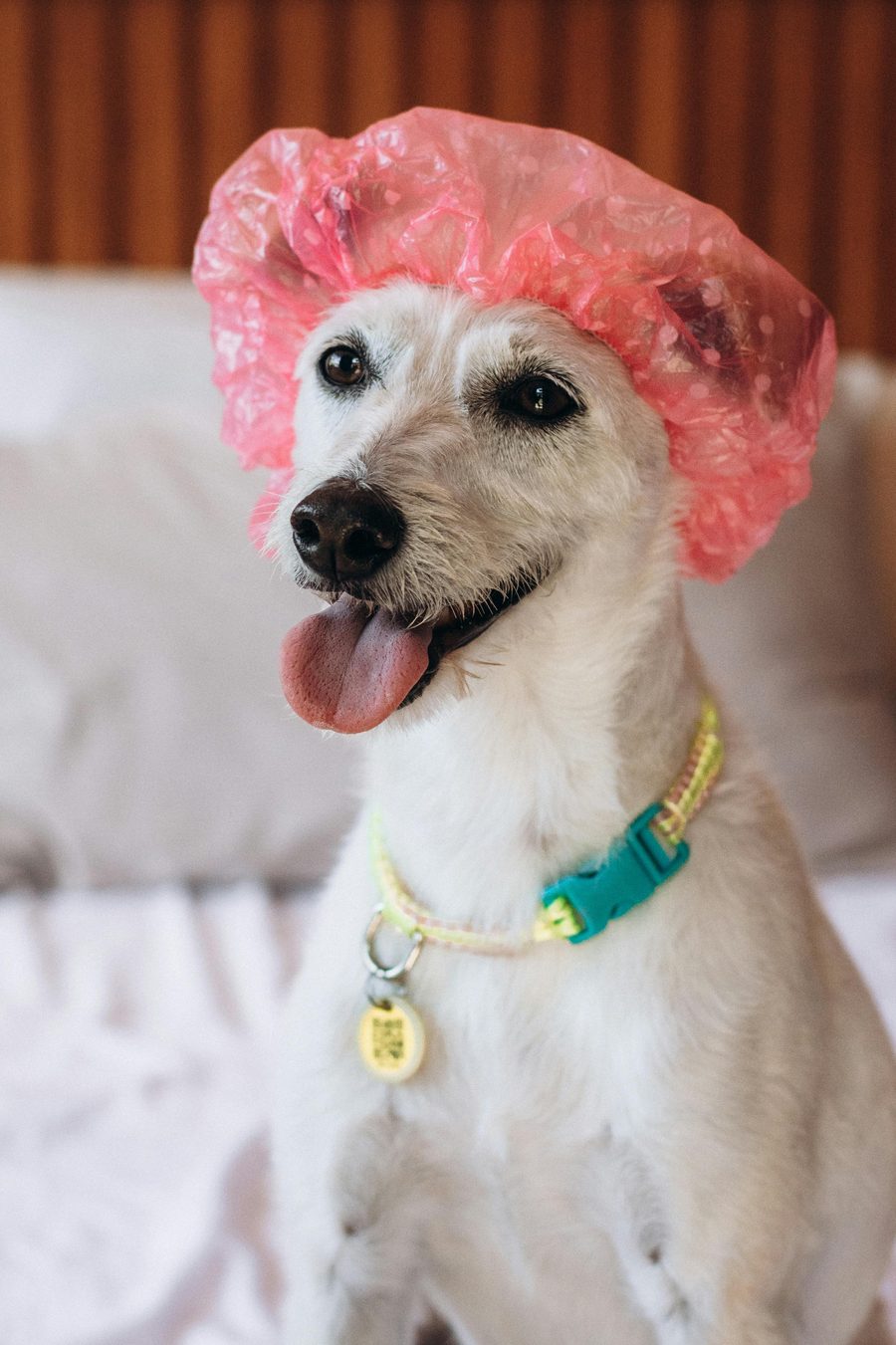
The bath itself
- Lukewarm water. Hot water dries skin.
- Lather a small amount of shampoo into already-wet fur. Don’t apply concentrated shampoo to dry skin.
- Rinse twice as long as you think you need to. Residual shampoo is a major irritant.
- Towel-dry thoroughly. Don’t put a wet pet in a damp room, the skin needs to dry properly.
- Skip the post-bath fragrance spray.
Between baths
- Wipe paws after walks with a damp microfibre cloth and a dry one after.
- Brush regularly: this removes loose hair and dander, which is gentler than another bath.
- Spot-clean small messes with plain water rather than reaching for a wash.
What you’ll notice in three weeks
If your pet is reacting to shampoo or over-bathing:
- Less irritation in the day or two after a bath.
- Less paw licking on bath days.
- Coat that holds its natural oils better.
What to do this week
- Read the back of your current shampoo bottle. Fragrance-free? Simple ingredients?
- If not, switch to a milder one.
- Stretch the bath schedule out by a week.
- Increase brushing instead.
Read: Fragrance allergies in pets · Take the 2-minute Allergy Check
This article is education, not diagnosis. If symptoms persist or worsen, please see your vet.
Frequently asked
How often should I bathe my dog? +
For most allergy-prone dogs, every 2–3 weeks. More frequent than that strips the natural skin oils and can worsen flares. A vet-recommended medicated shampoo may be used more often during a flare for a defined period.
Are oatmeal shampoos genuinely better? +
Sometimes. Oat-based shampoos are gentler and can soothe inflamed skin. Read the rest of the label, many oatmeal shampoos still contain fragrance and harsh detergents. The 'oatmeal' isn't a magic word.
Can I use my own shampoo on my dog? +
No. Human shampoos are formulated for human skin pH (more acidic). Dog and cat skin is closer to neutral. Use of human shampoos can disrupt the skin barrier and worsen problems.
Niko's story is what started ode. Read it →